




GHRP-2 (10mg) About This Product
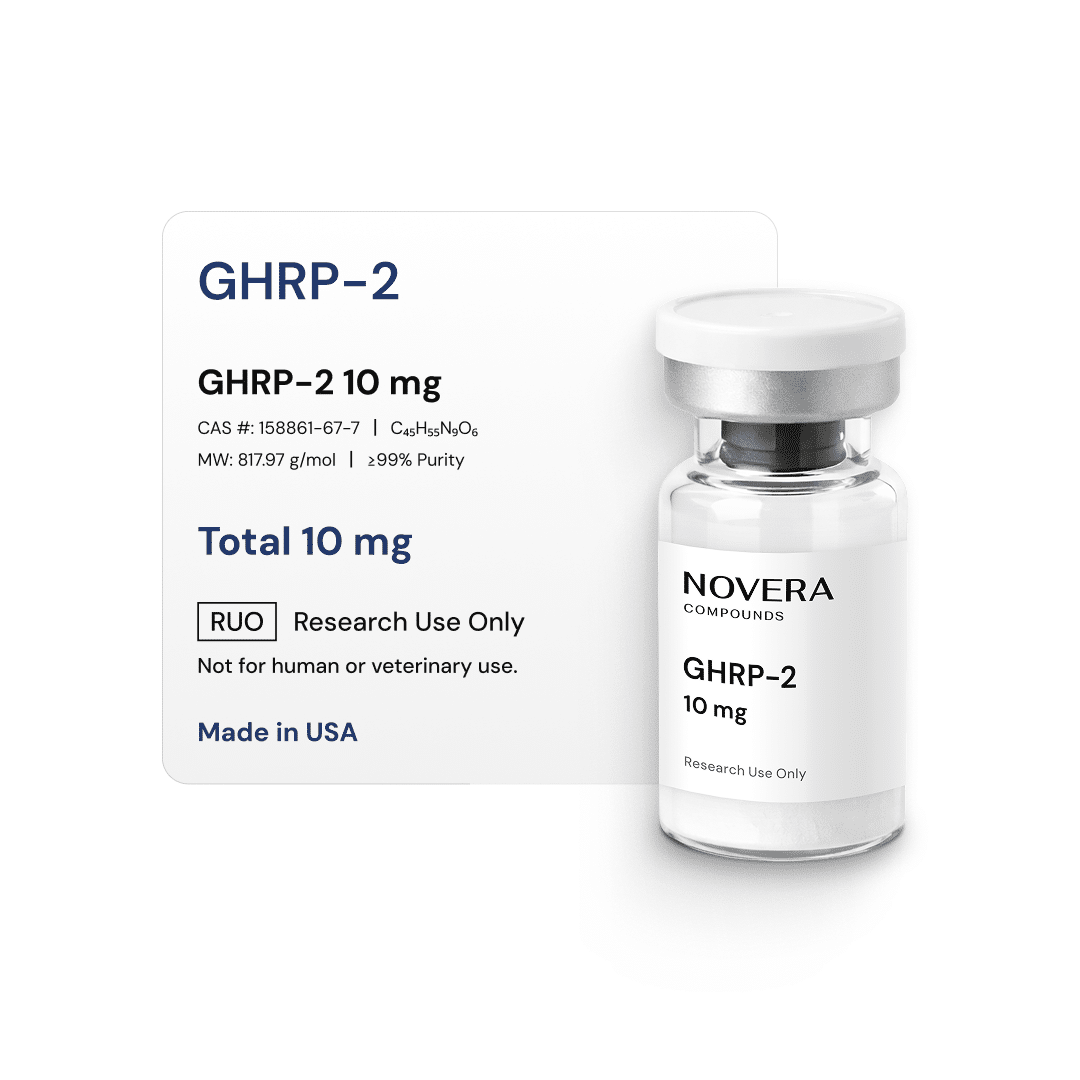
GHRP-2 (10mg) is a synthetic growth hormone–releasing peptide developed for endocrine, metabolic, and neurobiological research. It is a hexapeptide composed of six amino acids, with a molecular weight of approximately 817 Da, and incorporates multiple D-amino acid residues that enhance conformational stability and resistance to enzymatic degradation in experimental environments.
The GHRP-2 peptide has been examined in laboratory and preclinical research settings for its role as a synthetic agonist of the growth hormone secretagogue receptor 1a (GHS-R1a), also known as the ghrelin receptor. Activation of GHS-R1a initiates Gq/phospholipase C (PLC) signaling and calcium-dependent intracellular cascades that regulate growth hormone release, metabolic sensing, and energy-balance signaling under controlled experimental conditions.
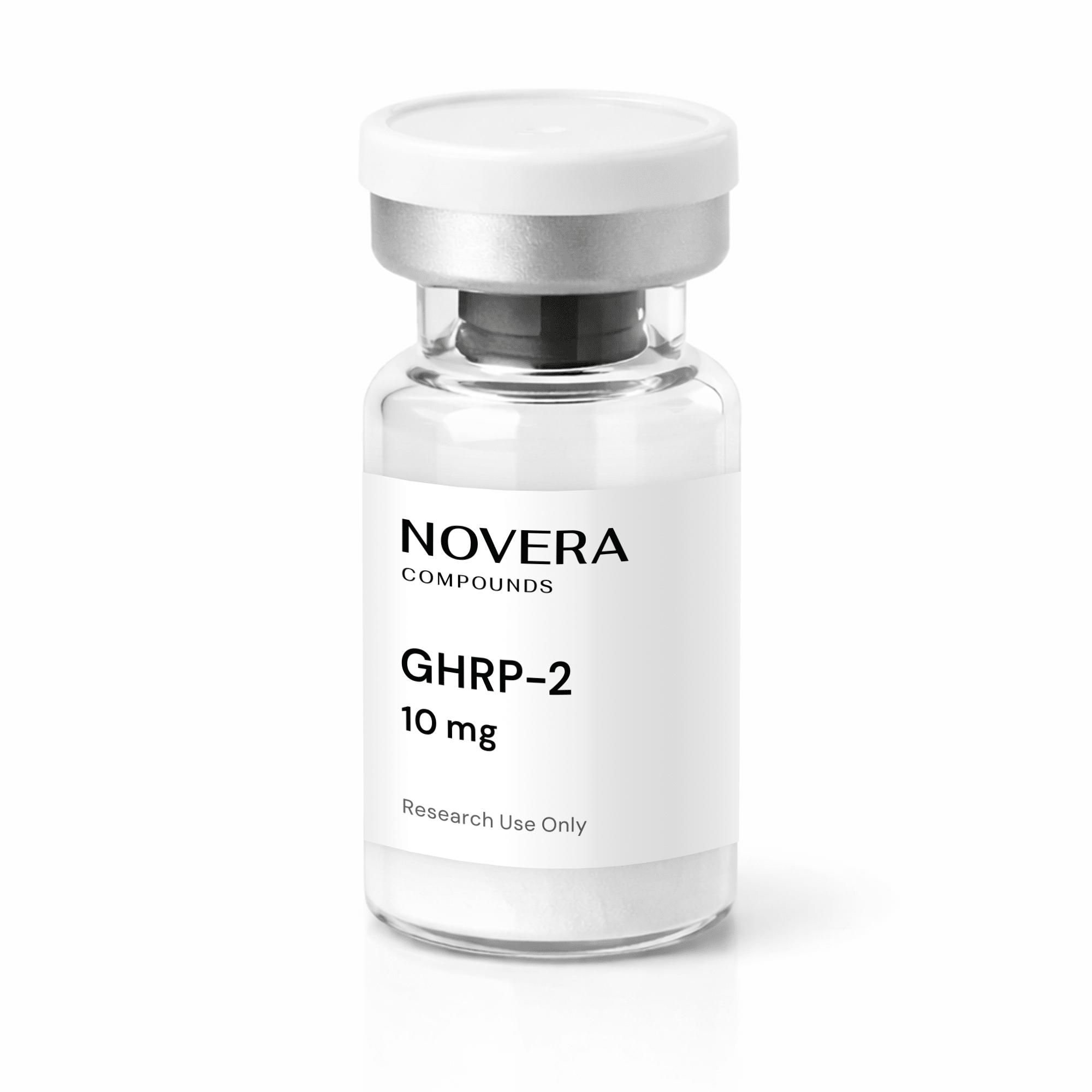
This product is supplied as a sterile, lyophilized powder with reported purity ≥98%, packaged in a sealed, research-grade vial. It is intended exclusively for non-clinical laboratory research, including receptor pharmacology, signal-transduction studies, and hormone-regulated biological process investigations.
GHRP-2 (10mg) Key Features and Benefits
- Growth Hormone Secretagogue Receptor (GHS-R1a) Agonist: Selective binding to the ghrelin receptor enables detailed pharmacological studies of receptor activation and downstream signaling
- D-Amino Acid Composition: Incorporation of D-amino acids enhances peptide stability and resistance to enzymatic degradation
- Short-Chain Synthetic Peptide: Hexapeptide structure suitable for receptor-specific endocrine research
- Research-Grade Purity: ≥98% purity appropriate for analytical and experimental workflows
- Lyophilized Formulation: Supports long-term stability and controlled reconstitution
- Sealed Research Vials: Ensures traceability and contamination control
Researchers who buy GHRP-2 peptide typically select this 10mg vial format for controlled receptor and signal-transduction studies.
GHRP-2 (10mg) Mechanism & Research Applications
GHRP-2 functions as a synthetic agonist of GHS-R1a, a G protein-coupled receptor (GPCR) expressed in the pituitary gland, hypothalamus, and multiple peripheral tissues. Upon receptor engagement, GHRP-2 activates Gq/PLC signaling, leading to inositol triphosphate (IP₃) generation, intracellular calcium mobilization, and protein kinase activation. These signaling events modulate growth hormone secretion, metabolic energy sensing, appetite regulation, and gene-expression programs associated with cellular growth and stress response.
In research settings, GHRP-2 is used to interrogate GHS-R1a activation kinetics, downstream signal-transduction cascades, and tissue-specific receptor expression and function.
Research Applications by Domain
1. Receptor Pharmacology
- Evaluation of GHS-R1a activation, ligand specificity, and receptor desensitization
- Structure–activity relationship (SAR) analyses of growth hormone secretagogues
2. Muscle Biology
- Investigation of protein synthesis and degradation pathways
- Examination of the ubiquitin–proteasome system, including modulation of atrogin-1 and MuRF1 expression
3. Energy Balance & Feeding Regulation
- Studies of hypothalamic and peripheral nutrient-sensing networks
- Assessment of food-intake patterns, appetite-related behavioral outcomes, and metabolic signaling
4. Cardiac Cell Stress & Bioenergetics
- Cardiomyocyte culture and myocardial injury models
- Evaluation of apoptosis markers, oxidative-stress pathways, and mitochondrial function
5. Immunology & Thymic Function
- Investigation of thymic signaling pathways and T-cell maturation processes
- Assessment of thymic output and immune-cell diversity in aging or stress models
6. Neurobiology
- Studies of sleep–wake regulation and sleep-stage distribution
- Examination of nociceptive processing and opioid-receptor crosstalk in neural systems
Comparative research frequently includes side-by-side evaluation with other growth hormone–related peptides to assess receptor selectivity, signaling bias, and downstream biological effects.
GHRP-2 (10mg) Dosing & Observed Effects in Research
Published research involving GHRP-2 commonly reports use at microgram-level concentrations, with dosing adjusted according to experimental model, route of administration, and study design. Research investigations span diverse model systems, including cell-culture platforms, tissue explants, rodent and murine models, and large-animal preclinical studies.
Observed outcomes commonly include measurable endpoints such as:
- Growth hormone elevation
- Alterations in food-intake patterns and appetite-related behaviors
- Changes in muscle protein synthesis and ubiquitin-ligase expression (atrogin-1 and MuRF1 modulation)
- Shifts in cardiomyocyte apoptosis and oxidative-stress markers
- Thymic output and T-cell maturation parameters
- Modifications in sleep-stage distribution and nociceptive processing
- Altered activation of receptor-mediated signaling cascades
All findings derive exclusively from preclinical laboratory and animal research models and remain model-specific.
GHRP-2 (10mg) Storage, Safety & References
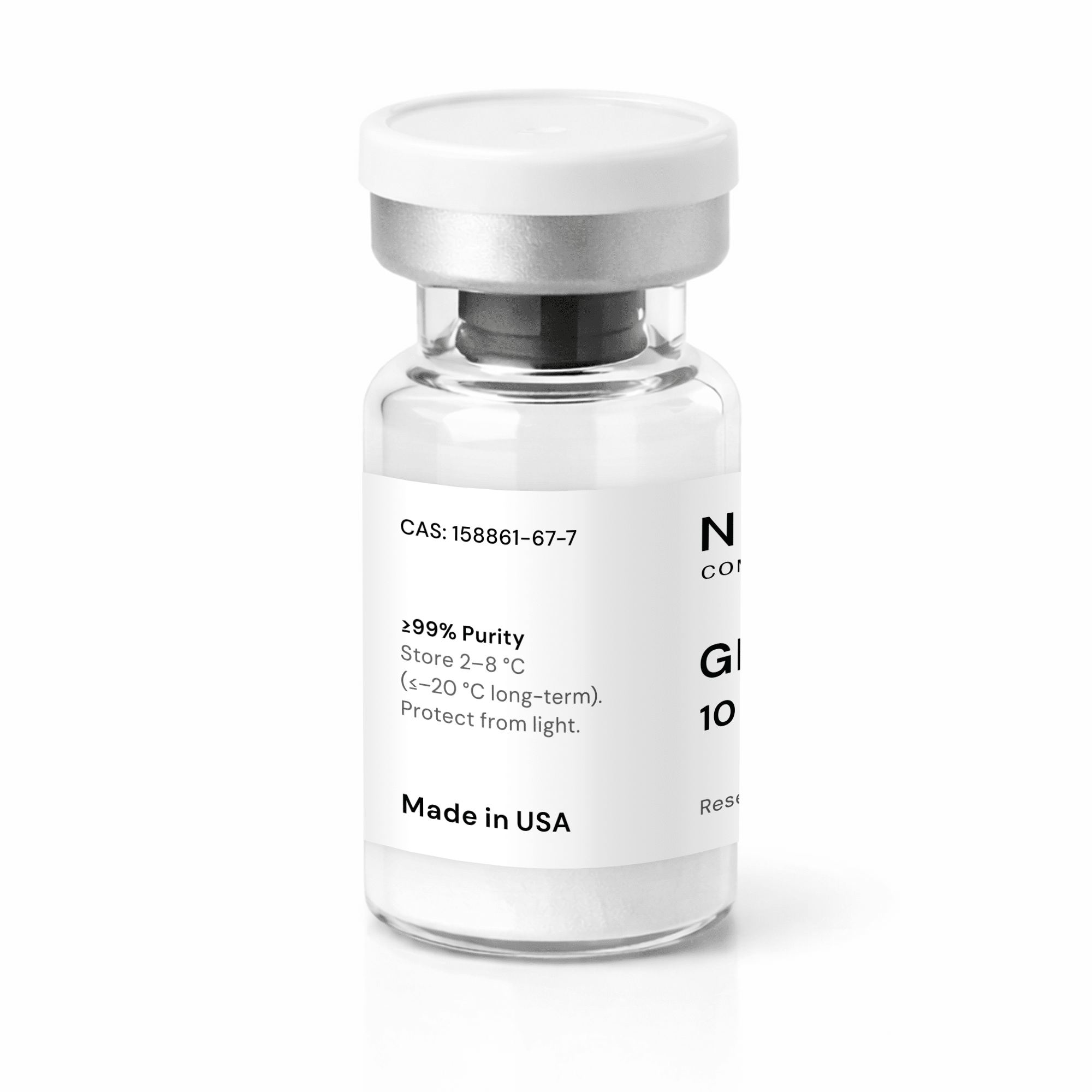
Store GHRP-2 (10mg) as a lyophilized powder protected from light and moisture.
- Short-term storage: 2–8 °C (days to weeks)
- Long-term storage: −20 °C or lower (−80 °C preferred)
Avoid repeated freeze–thaw cycles. After reconstitution, storage conditions depend on solvent choice and protocol duration. Handle using standard laboratory safety practices, including appropriate personal protective equipment, sterile technique, and compliant disposal procedures. Laboratories that order GHRP-2 peptide must ensure storage, handling, and disposal follow institutional biosafety and chemical hygiene requirements.
References
https://pmc.ncbi.nlm.nih.gov/articles/PMC3297037
https://pubmed.ncbi.nlm.nih.gov/7479958
https://pmc.ncbi.nlm.nih.gov/articles/PMC4760683
https://www.pnas.org/doi/10.1073/pnas.1212137110
https://pubmed.ncbi.nlm.nih.gov/19819949
https://www.jci.org/articles/view/30248
Compliance Notice
This product is intended for laboratory research use only and is not approved for human or veterinary use.