




GHRP-2 (5mg) About This Product
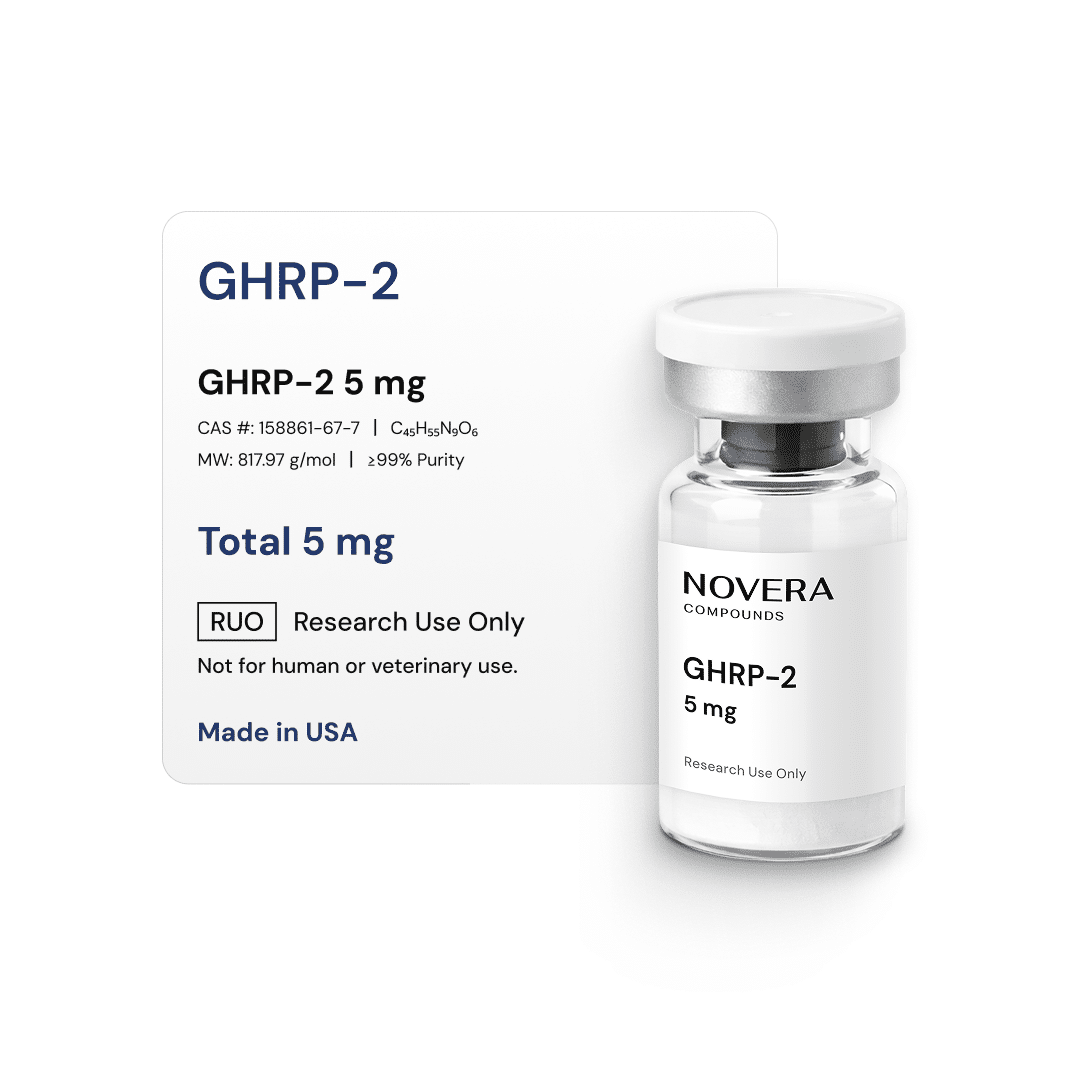
GHRP-2 is a synthetic hexapeptide developed for laboratory and preclinical research involving endocrine signaling and metabolic regulation. The GHRP-2 peptide consists of six amino acids and has a molecular weight of approximately 817 Da. Its structure incorporates multiple D-amino acid residues, which enhance conformational stability and resistance to enzymatic degradation in experimental systems.
GHRP-2 has been examined in research settings as a synthetic agonist of the growth hormone secretagogue receptor 1a (GHS-R1a), also known as the ghrelin receptor. Activation of this G protein–coupled receptor (GPCR) initiates Gq/phospholipase C (PLC) signaling and calcium-dependent intracellular cascades that regulate growth hormone secretion, metabolic sensing, and gene-expression responses under controlled conditions.
This product is supplied as a sterile, lyophilized powder with a reported purity of ≥98%, packaged in a sealed research-grade vial. Laboratories that buy GHRP-2 peptide commonly use the 5 mg format to support receptor-level studies, signaling assays, and comparative endocrine research workflows.
GHRP-2 (5mg) Key Features and Benefits
- GHS-R1a (Ghrelin Receptor) Agonist: Enables targeted studies of ghrelin-pathway signaling
- D-Amino Acid Composition: Improves peptide stability in laboratory environments
- High Research Purity (≥98%): Verified by analytical testing
- Lyophilized Formulation: Supports stability, reconstitution accuracy, and storage flexibility
- Short-Chain Hexapeptide: Suitable for receptor pharmacology and structure–activity analyses
GHRP-2 (5mg) Mechanism & Research Applications
GHRP-2 functions as a selective agonist of GHS-R1a, a GPCR expressed in the pituitary gland, hypothalamus, and selected peripheral tissues. Receptor activation triggers PLC-dependent calcium mobilization, downstream kinase signaling, and transcriptional programs associated with growth hormone release and cellular stress response.
In research environments, GHRP-2 is used to investigate receptor activation kinetics, intracellular signaling cascades, and tissue-specific receptor expression.
Primary Research Domains
Receptor Pharmacology
- GHS-R1a binding affinity and activation assays
- Structure–activity and signaling-bias investigations
Muscle Biology
- Protein synthesis and degradation pathways
- Modulation of ubiquitin–proteasome markers (atrogin-1, MuRF1)
Energy Balance & Feeding Regulation
- Hypothalamic nutrient-sensing networks
- Appetite-related behavioral and signaling outcomes
Cardiac Cell Stress Models
- Cardiomyocyte apoptosis and oxidative-stress signaling
- Cellular survival responses in myocardial injury paradigms
Immunology
- Thymic signaling pathways and T-cell maturation
- Immune-cell output and diversity in aging or stress models
Neurobiology
- Sleep–wake regulation and sleep-stage distribution
- Nociceptive processing and opioid-receptor crosstalk
Laboratories that order GHRP-2 peptide often incorporate it into comparative studies alongside other growth hormone secretagogues and ghrelin-pathway ligands.
GHRP-2 (5mg) Dosing & Observed Effects in Research
Published research involving GHRP-2 commonly reports microgram-level dosing, adjusted according to experimental model, route of administration, and study duration. Investigations span cell-culture systems, tissue explants, rodent models, and large-animal preclinical studies.
Reported experimental endpoints include:
- Growth hormone elevation
- Changes in food-intake behavior and appetite signaling
- Modulation of muscle protein-turnover markers (atrogin-1, MuRF1)
- Alterations in cardiomyocyte apoptosis and oxidative-stress indicators
- Shifts in thymic output and immune-cell maturation
- Changes in sleep-stage distribution and nociceptive signaling
All findings derive exclusively from preclinical laboratory and animal research and remain model-specific.
GHRP-2 (5mg) Storage, Safety & References
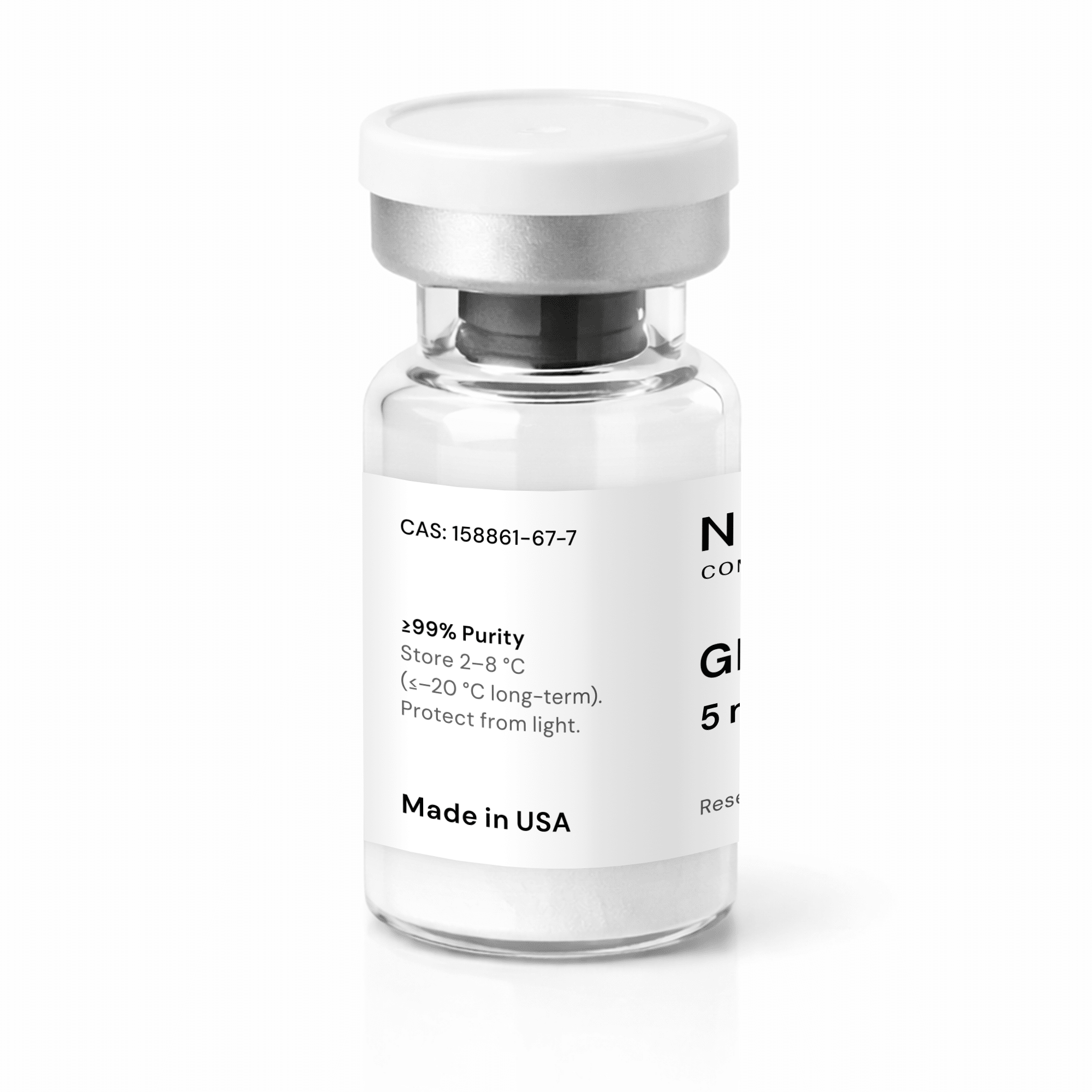
Store GHRP-2 (5mg) as a lyophilized powder protected from light and moisture.
- Short-term storage: 2–8°C
- Long-term storage: –20°C or lower
Avoid repeated freeze–thaw cycles. Reconstitute using sterile laboratory-grade diluents under aseptic conditions and follow protocol-specific stability requirements.
References
https://pmc.ncbi.nlm.nih.gov/articles/PMC3297037
https://pubmed.ncbi.nlm.nih.gov/7479958
https://pmc.ncbi.nlm.nih.gov/articles/PMC4760683
https://www.pnas.org/doi/10.1073/pnas.1212137110
https://pubmed.ncbi.nlm.nih.gov/19819949
https://www.jci.org/articles/view/30248
Compliance Notice
This product is intended for laboratory research use only and is not approved for human or veterinary use.