



KPV (5mg) About This Product
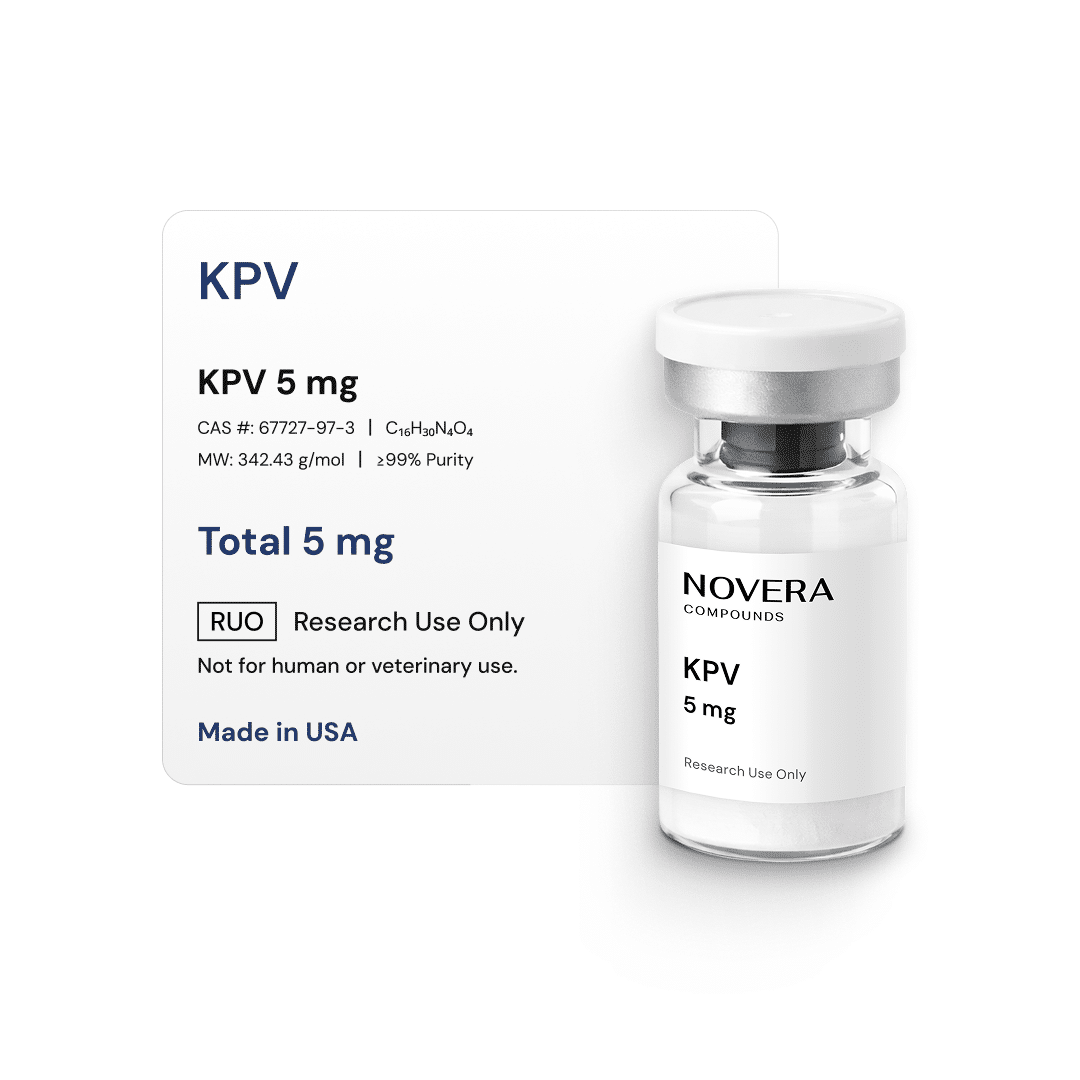
KPV (5mg) is a synthetic acetylated tripeptide (Ac-KPV-NH₂) composed of lysine–proline–valine, derived from the C-terminal sequence of α-melanocyte-stimulating hormone (α-MSH). In research settings, KPV is most commonly utilized in its acetylated form, which has a molecular weight of 384.48 g/mol and demonstrates enhanced stability for mechanistic investigation of inflammatory signaling, epithelial transport biology, and transcriptional regulation in controlled in vitro and in vivo animal models.
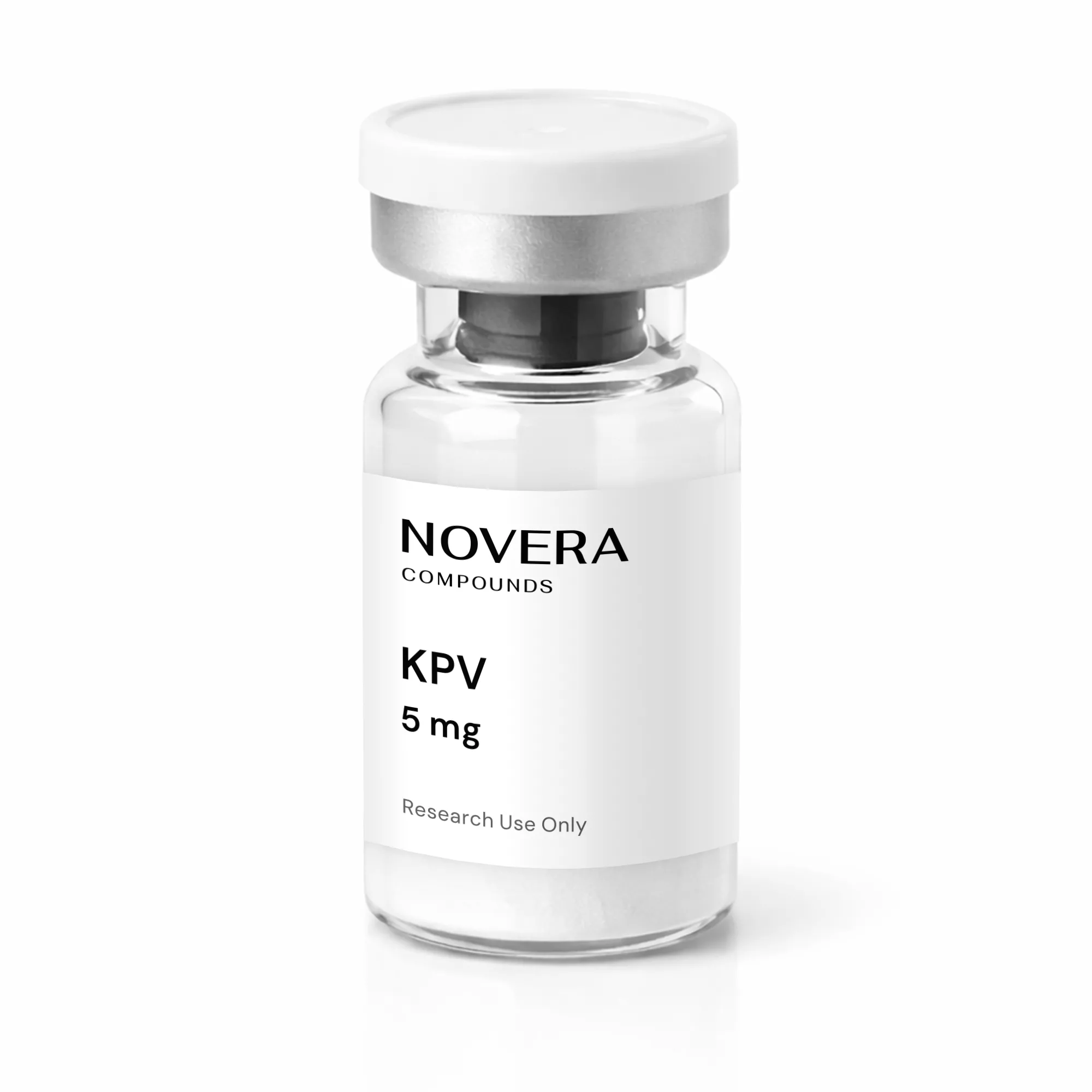
This product is supplied as a high-purity, lyophilized powder in a sealed research vial to support precise measurement, reproducibility, and experimental consistency. KPV has been extensively studied in immune-associated and barrier-tissue research models, where short regulatory peptide fragments are evaluated for their role in modulating inflammatory mediator expression and cellular signaling pathways under experimental conditions.
KPV (5mg) Key Features and Benefits
- Melanocortin Receptor Agonist (MC1R / MC3R) — receptor-linked inflammatory signaling probe
- NF-κB Pathway Modulator — direct intracellular transcriptional regulation mechanism
- PepT1 (SLC15A1) Transporter Substrate — epithelial uptake and bioavailability research tool
- Dual-Mechanism Research Peptide — receptor-mediated and receptor-independent activity
- High-Purity Acetylated Tripeptide (Ac-KPV-NH₂) — optimized chemical form
- Lyophilized 5mg Format — accurate reconstitution and experimental flexibility
- Compatible Across Multiple Model Systems — cell-based, tissue, and animal studies
KPV (5mg) Mechanism & Research Applications
KPV functions as a bioactive regulatory peptide probe used to study inflammatory signaling networks in experimental systems. Its activity is attributed to two coordinated mechanisms:
- Melanocortin receptor–associated signaling, particularly involving MC1R and MC3R expressed in immune and epithelial tissues, and
- Modulation of the NF-κB transcriptional pathway, resulting in altered cytokine expression, kinase activity, and downstream inflammatory responses.
In laboratory models, KPV exposure is associated with suppression of pro-inflammatory mediator production and changes in NF-κB-dependent gene transcription, making it a valuable tool for examining how short peptide fragments regulate immune-related signaling under inflammatory conditions.
PepT1-Mediated Transporter Mechanism
A defining mechanistic feature of KPV research is transporter-mediated cellular entry. Published studies have characterized KPV uptake via PepT1 (peptide transporter 1; SLC15A1), a transporter expressed in intestinal epithelial cells and upregulated during inflammatory states. This pathway enables condition-dependent intracellular peptide exposure, providing a framework for investigating how epithelial inflammation alters peptide bioavailability and localized signaling outcomes in barrier-tissue models.
Dual-Mechanism and Receptor-Independent Effects
Mechanistic studies with melanocortin receptor antagonists demonstrate that certain KPV-mediated anti-inflammatory effects persist despite blockade of MC3R and MC4R, indicating receptor-independent intracellular signaling contributions. This dual mechanism, which combines surface receptor engagement and direct NF-κB modulation, distinguishes KPV from single-target peptide agonists and supports its use as a multi-pathway mechanistic research probe.
Primary Research Domains
- Intestinal and Gastrointestinal Inflammation Models: Quantification of cytokine responses, inflammatory markers, and tissue-level changes in experimental intestinal inflammation paradigms.
- Epithelial Transport and Barrier Function Studies: Investigation of PepT1-mediated uptake, transporter regulation during inflammation, and downstream epithelial signaling effects.
- NF-κB and MAPK Pathway Profiling: Cell-based assays measuring NF-κB activity, ERK1/2 and p38 MAPK phosphorylation, and transcriptional responses.
- Antimicrobial and Peptide Structure–Activity Research: Comparative studies examining minimal peptide sequences, peptide–microbe interactions, and structure–function relationships.
- Wound Repair and Matrix Remodeling Models: Evaluation of fibroblast-associated cytokine signaling, IL-8-linked pathways, and extracellular matrix (ECM) protein expression.
KPV (5mg) Dosing & Observed Effects in Research
Published research employs model-specific experimental dosing strategies, adjusted for species, route of administration, and study duration. In cell-based systems, KPV concentrations typically range from 0.1 to 10 μg/mL.
Commonly reported research endpoints include:
- NF-κB reporter activity and transcriptional suppression
- Pro-inflammatory cytokines: TNF-α, IL-8, IL-6, IL-1β
- Myeloperoxidase (MPO) activity
- Leukocyte migration and immune-cell recruitment indices
- Kinase phosphorylation: ERK1/2, p38 MAPK
- Epithelial tissue morphology and histological inflammation markers
- Collagen deposition and ECM protein expression
- Tissue swelling and edema measurements
All observations derive exclusively from controlled laboratory and preclinical animal research systems.
KPV (5mg) Storage, Safety & References
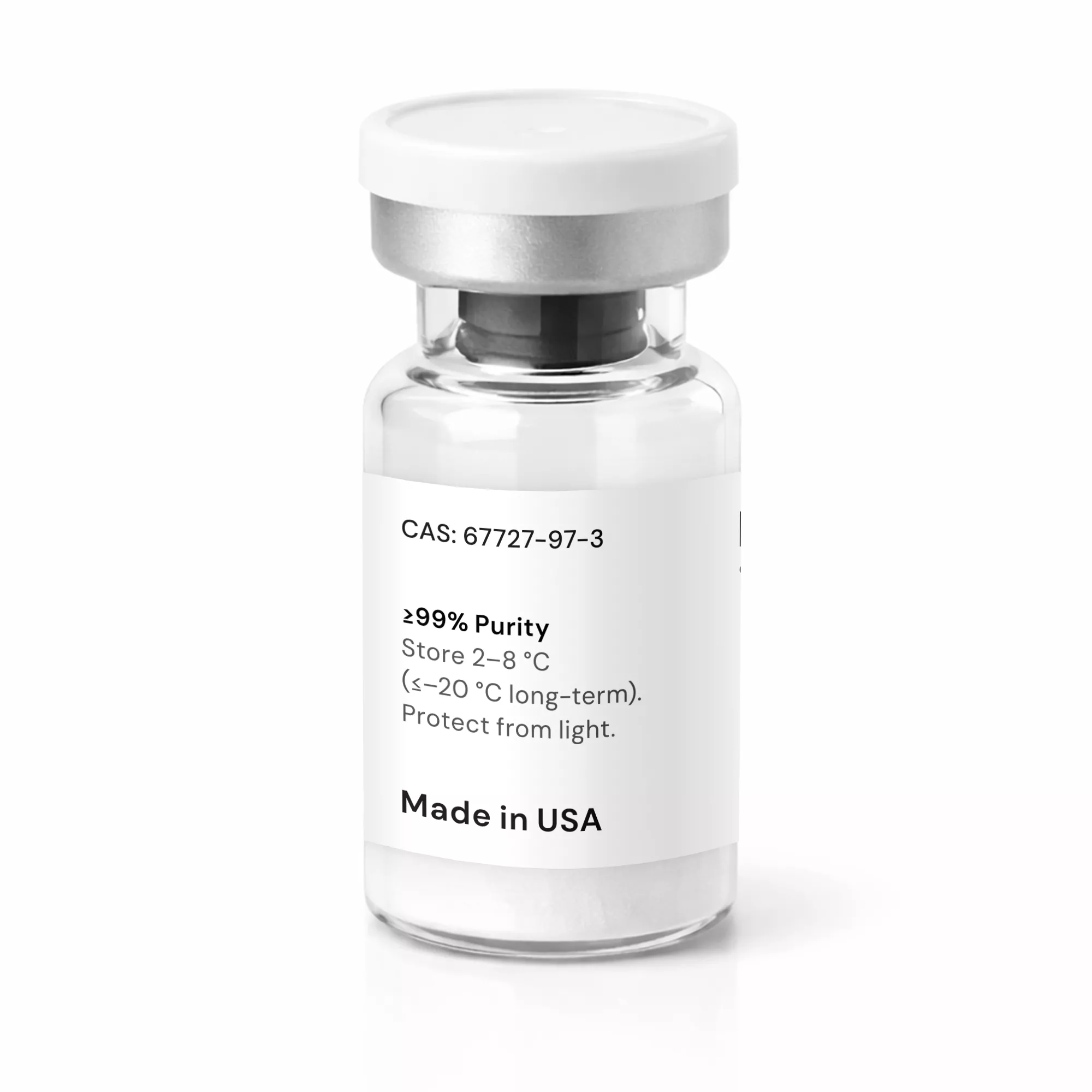
Store KPV (5mg) as a lyophilized powder at 2–8 °C, protected from light and moisture. Prior to reconstitution, allow the vial to equilibrate to room temperature to minimize condensation. Reconstituted solutions should be prepared using aseptic laboratory techniques and handled according to institutional protocols, avoiding repeated freeze–thaw cycles.
This product is supplied for laboratory research use only. It is not approved for human or veterinary use. Qualified personnel from laboratories that buy KPV peptide must handle it in accordance with standard laboratory safety guidelines.
References
https://pmc.ncbi.nlm.nih.gov/articles/PMC3403564
https://pmc.ncbi.nlm.nih.gov/articles/PMC2431115
https://pubmed.ncbi.nlm.nih.gov/18092346
https://pmc.ncbi.nlm.nih.gov/articles/PMC5498804
https://pubmed.ncbi.nlm.nih.gov/12750433
https://pubmed.ncbi.nlm.nih.gov/18612139
Compliance Notice
This product is intended for laboratory research use only and is not approved for human or veterinary use.