




LL37 About This Product
LL37 is a laboratory-produced version of the human antimicrobial peptide cathelicidin. In the body, this 37-amino-acid fragment helps support natural immune defense and maintain tissue balance. The synthetic LL37 peptide used in research has a well-defined structure, high purity, and reliable stability, making it suitable for controlled experimental use.
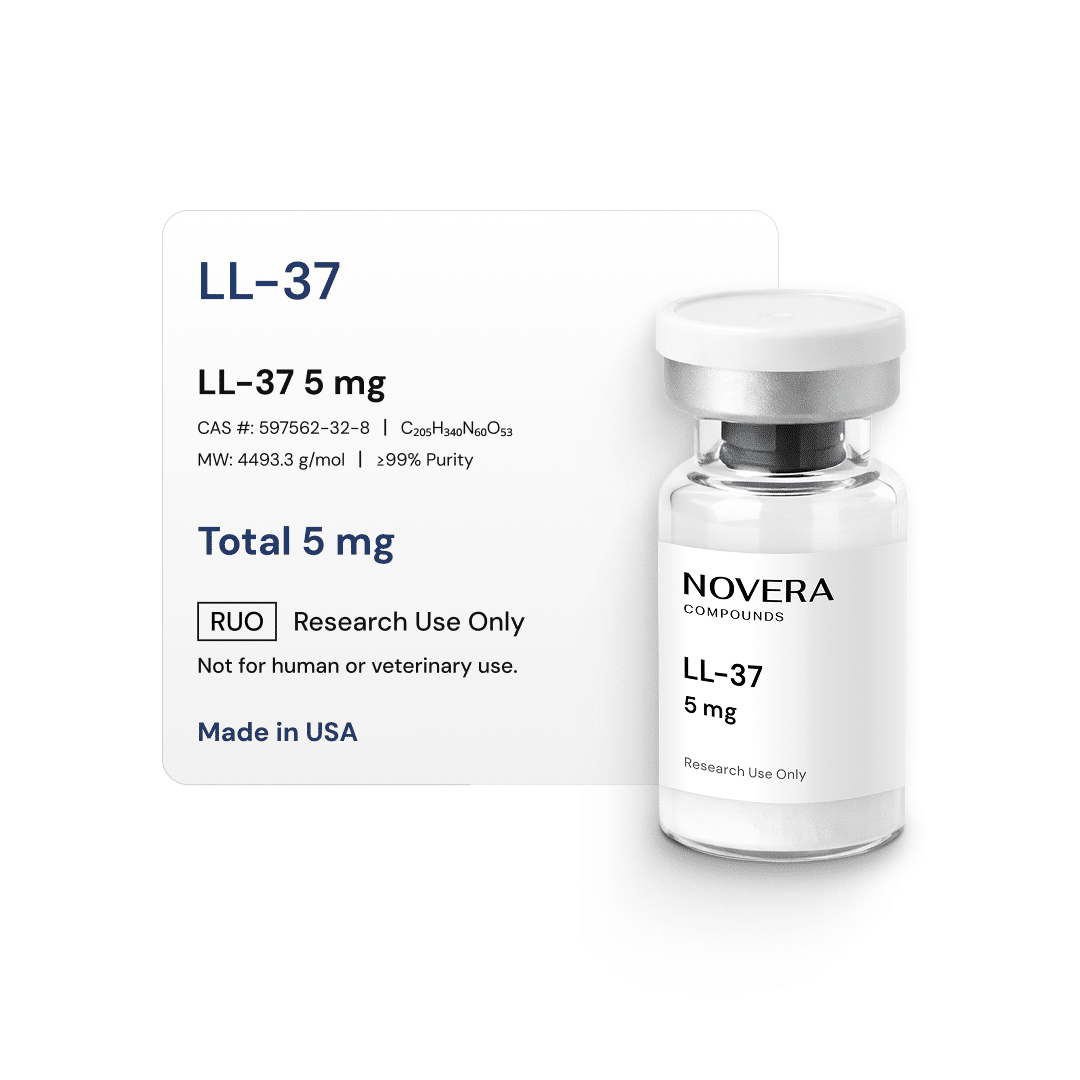
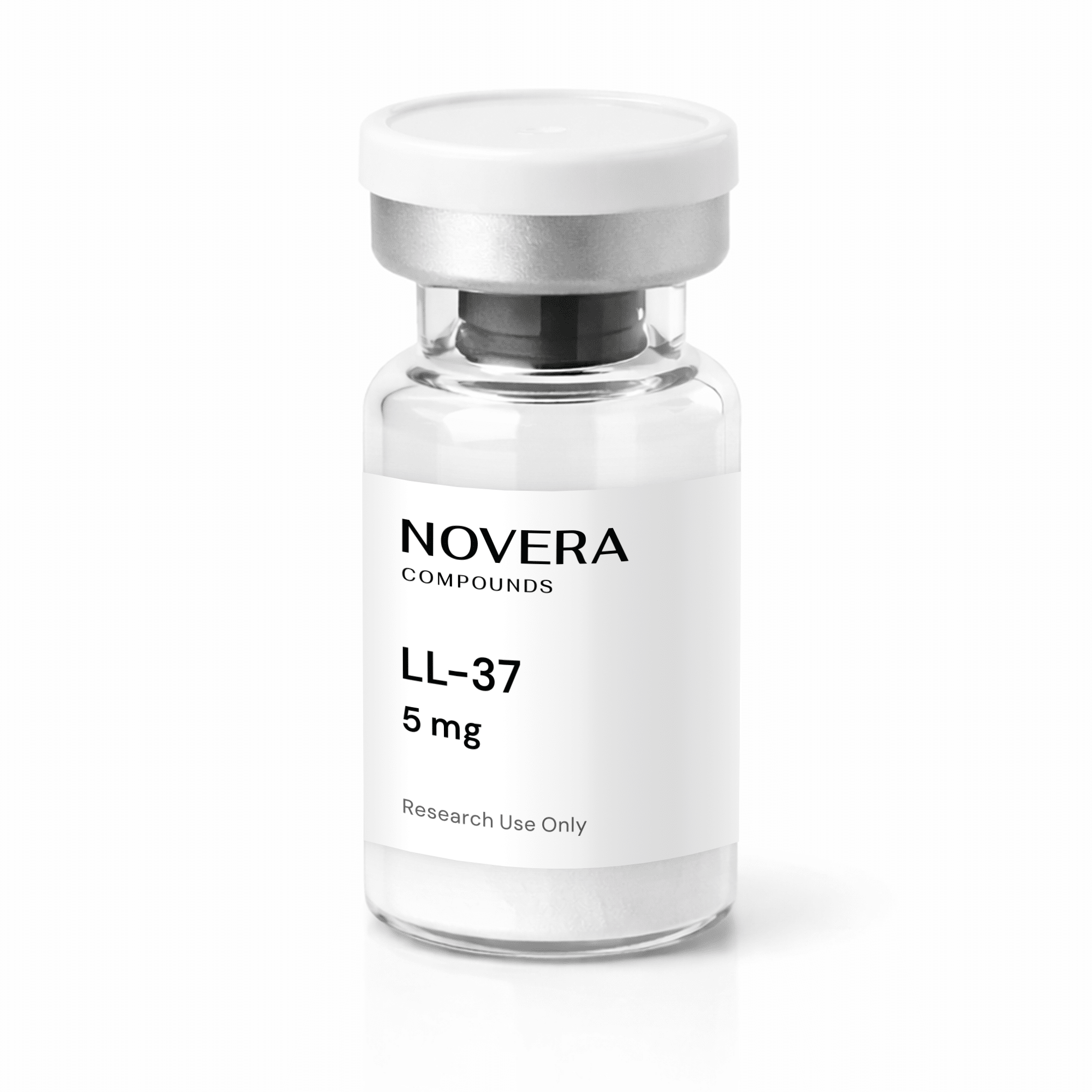
The peptide has a molecular weight of approximately 4,493 g/mol and a known amino-acid sequence (LLGDFFRKSKEKIGKEFKRIVQRIKDFLRNLVPRTES). It is supplied as a lyophilized powder in sterile vials to maintain long-term stability. Researchers who use or buy LL37 typically study immune activity, microbial interactions, wound-related processes, and tissue-level signaling. LL37 continues to serve as a vital model molecule in LL37 antimicrobial peptide research.
LL37 Key Features and Benefits
- High-purity preparation for consistent and reproducible laboratory results
- Supplied as a lyophilized powder to protect structural integrity
- Used in studies involving immunity, microbial defense, and barrier biology
- Suitable for in vitro, ex vivo, and other nonclinical research models
- Packaged in sterile, sealed vials to reduce contamination risk
- Includes analytical documentation verifying identity and purity
- Easy reconstitution for a wide range of laboratory protocols
LL37 Mechanism & Research Applications
LL37 has been widely studied for its role in the body’s first line of defense. It can interact with microbial membranes, affect bacterial survival, and help guide immune responses.
Research shows that LL37 has complex, context-dependent immunomodulatory effects:
- It can act as a pro-inflammatory signal by recruiting immune cells and promoting cytokine release in response to pathogens.
- It can also act as an anti-inflammatory agent by binding bacterial endotoxins and triggering regulatory pathways.
Because of these dual actions, LL37 helps researchers better understand how the body coordinates infection control, inflammation, tissue protection, and microbiome balance. Studies often explore LL37 for research in areas involving epithelial defense, wound models, and microbial susceptibility.
LL37 Dosing & Observed Effects in Research
Studies using LL37 for research report dosing that varies depending on the system being tested.
In Vitro (Cell-based) Research
- Micromolar concentrations are commonly used, generally from 0.1 μM (for antimicrobial testing) up to 100 μM (for immune-signaling studies).
Ex Vivo Tissue Work
- Localized application is used to study barrier responses, structural changes, or biochemical signaling.
Animal Models
- Controlled dosing helps researchers study immune shifts, microbial behavior, and tissue-level effects in living systems.
All findings reported from these models remain strictly experimental and are not interpreted as clinical outcomes.
LL37 Storage, Safety & References
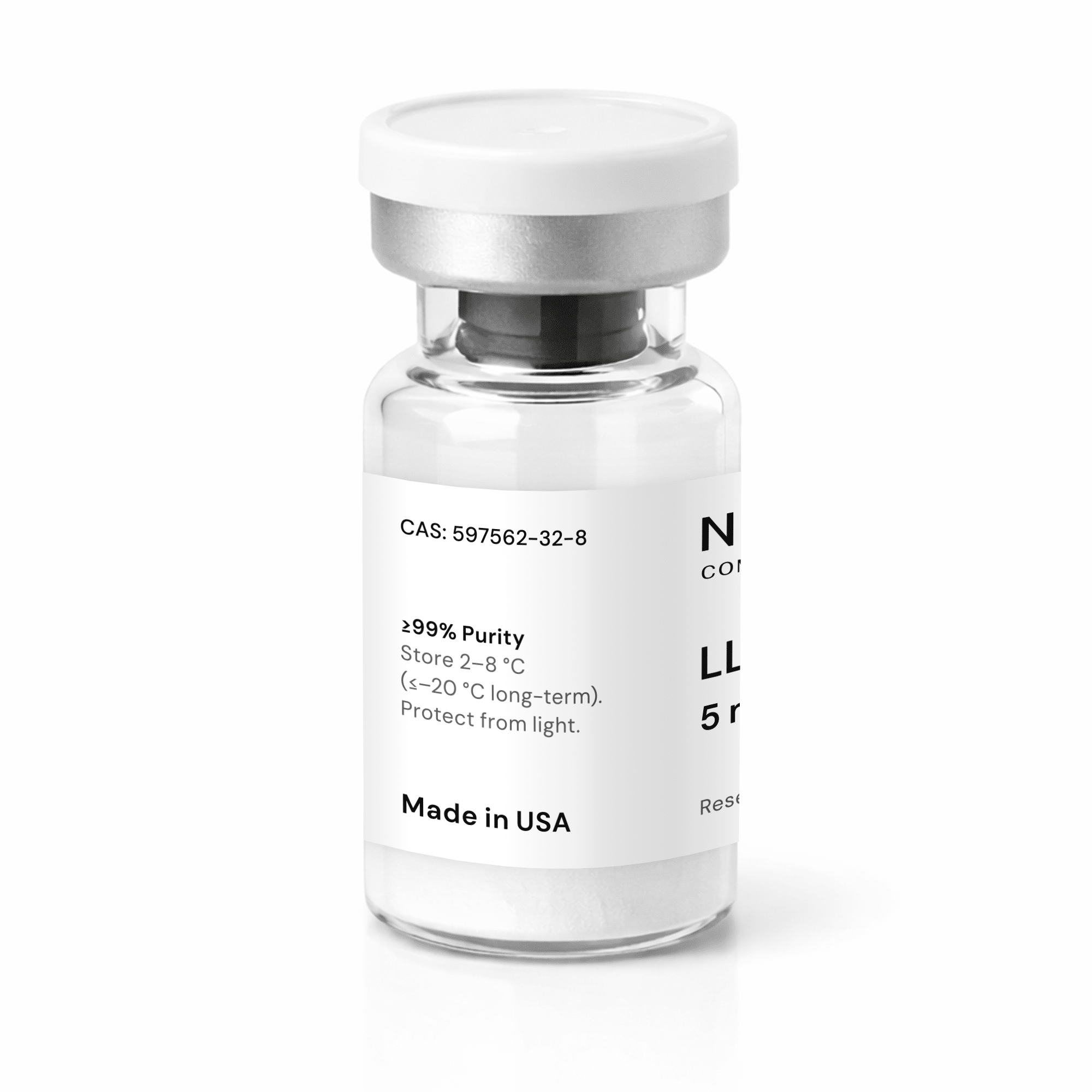
To preserve quality, store LL37 lyophilized at –20°C or below in a dry, light-protected container. After reconstitution, keep refrigerated and use within protocol-defined timelines. Avoid repeated freeze–thaw cycles to maintain peptide integrity.
Standard laboratory safety measures should be followed:
- Wear gloves, eye protection, and appropriate lab attire
- Handle in clean, controlled environments
- Dispose of unused materials according to institutional guidelines
References
https://pmc.ncbi.nlm.nih.gov/articles/PMC8227053
https://www.sciencedirect.com/science/article/pii/S000527360600126X
https://pmc.ncbi.nlm.nih.gov/articles/PMC4485164
https://journals.asm.org/doi/10.1128/aac.01310-08