




What Are the Purported Benefits of Retatrutide (12 mg)?
Retatrutide is a next-generation metabolic peptide that activates three hormonal pathways involved in energy balance, glucose regulation, and lipid metabolism. As a first-in-class triple receptor agonist, it has demonstrated robust metabolic effects in early clinical studies.
Substantial Weight Reduction
In a 48-week Phase 2 obesity trial, participants receiving retatrutide 12 mg once weekly reached an average 24.2% body weight reduction, with weight loss continuing through the study period rather than plateauing early. More than 80% achieved at least 15% weight loss, supporting ongoing investigation in pharmacologic obesity management.
Glycemic Control in Type 2 Diabetes
In people with type 2 diabetes, retatrutide has produced HbA1c reductions close to 2 percentage points in trials, a magnitude often associated with multi-drug regimens. These results reflect coordinated effects on insulin secretion and insulin sensitivity.
Hepatic Fat Reduction
In metabolic dysfunction–associated steatotic liver disease (MASLD), retatrutide has been studied for its impact on hepatic fat content. Many participants receiving higher doses reached normalized liver fat levels, with large relative reductions on imaging and parallel improvements in insulin sensitivity and liver-related biomarkers.
Cardiometabolic Parameters and Body Composition
Clinical studies report reductions in systolic and diastolic blood pressure and improvements in selected lipid and cardiometabolic markers. Weight loss appears to be driven primarily by fat mass reduction, with relatively smaller losses in lean mass, supporting thepreservation of functional capacity and metabolic health.
What Is the Chemical Makeup of Retatrutide (12 mg)?
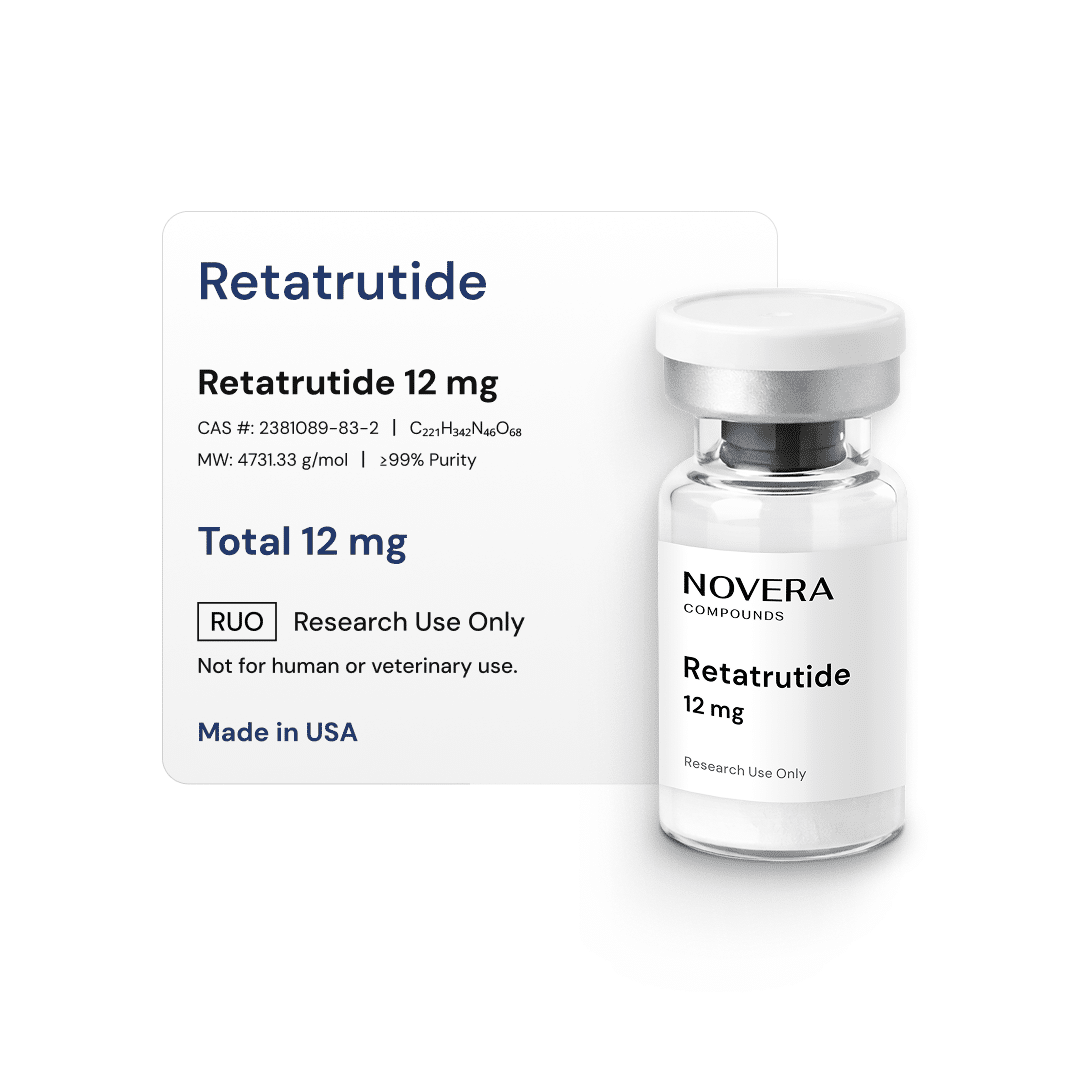
Retatrutide peptide is a synthetically engineered, 39–amino acid molecule optimized for once-weekly administration.
- Chemical formula: C₂₂₇H₃₅₄N₄₈O₆₉
- Molecular weight: 4845.444 g/mol
- Amino acid length: 39 residues
- Peptide sequence: H-Tyr-Aib-Glu-Gly-Thr-Phe-Thr-Ser-Asp-Tyr-Ser-Ile-Aib-Leu-Asp-Val-Ile-Ala-Gln-Val-Glu-Leu-Leu-Leu-Trp-Leu-Val-Ile-Ser-Gly-Leu-Gln-Arg-Leu-Gly-Gly-Gly-Pro-Pro-Pro-Ser-NH2
In receptor studies, retatrutide shows highest potency at the GIP receptor, followed by the GLP-1 receptor and then the glucagon receptor. This calibrated profile supports appetite suppression, enhanced insulin secretion, improved lipid use, and higher energy expenditure.
The fatty diacid conjugation promotes reversible albumin binding and slows renal clearance and enzymatic degradation, helping maintain stable plasma levels across the weekly dosing interval. These properties are important for groups that buy retatrutide peptide for advanced metabolic research.
What Does Scientific Research Say About Retatrutide (12 mg)?
In animal models, retatrutide reduced food intake, body weight, and glycemic markers more than GLP-1 monotherapy and dual GLP-1/GIP agonists. Studies also noted better lipid profiles, improved liver enzymes, and lower inflammatory markers, suggesting broad metabolic activity.
Meanwhile, phase 1 studies confirmed a half-life of about six days and dose-dependent metabolic effects, consistent with once-weekly dosing. The most common adverse events were gastrointestinal symptoms such as nausea, vomiting, and diarrhea, which were generally mild to moderate.
In Phase 2 obesity trials, retatrutide 12 mg produced sustained reductions in body weight and improved glycemic control. In type 2 diabetes trials, retatrutide showed greater improvements in body weight and HbA1c than reference GLP-1 receptor agonists such as dulaglutide.
Moreover, dedicated imaging substudies showed marked drops in hepatic fat, often with normalization in participants on higher doses, along with better insulin sensitivity and reduced visceral adiposity. The global TRIUMPH Phase 3 program is now assessing retatrutide in obesity, type 2 diabetes, obstructive sleep apnea, knee osteoarthritis, and cardiovascular outcomes. These trials continue to shape interest among investigators who order retatrutide peptide for controlled research.
What Are the Storage Conditions for Retatrutide (12 mg)?
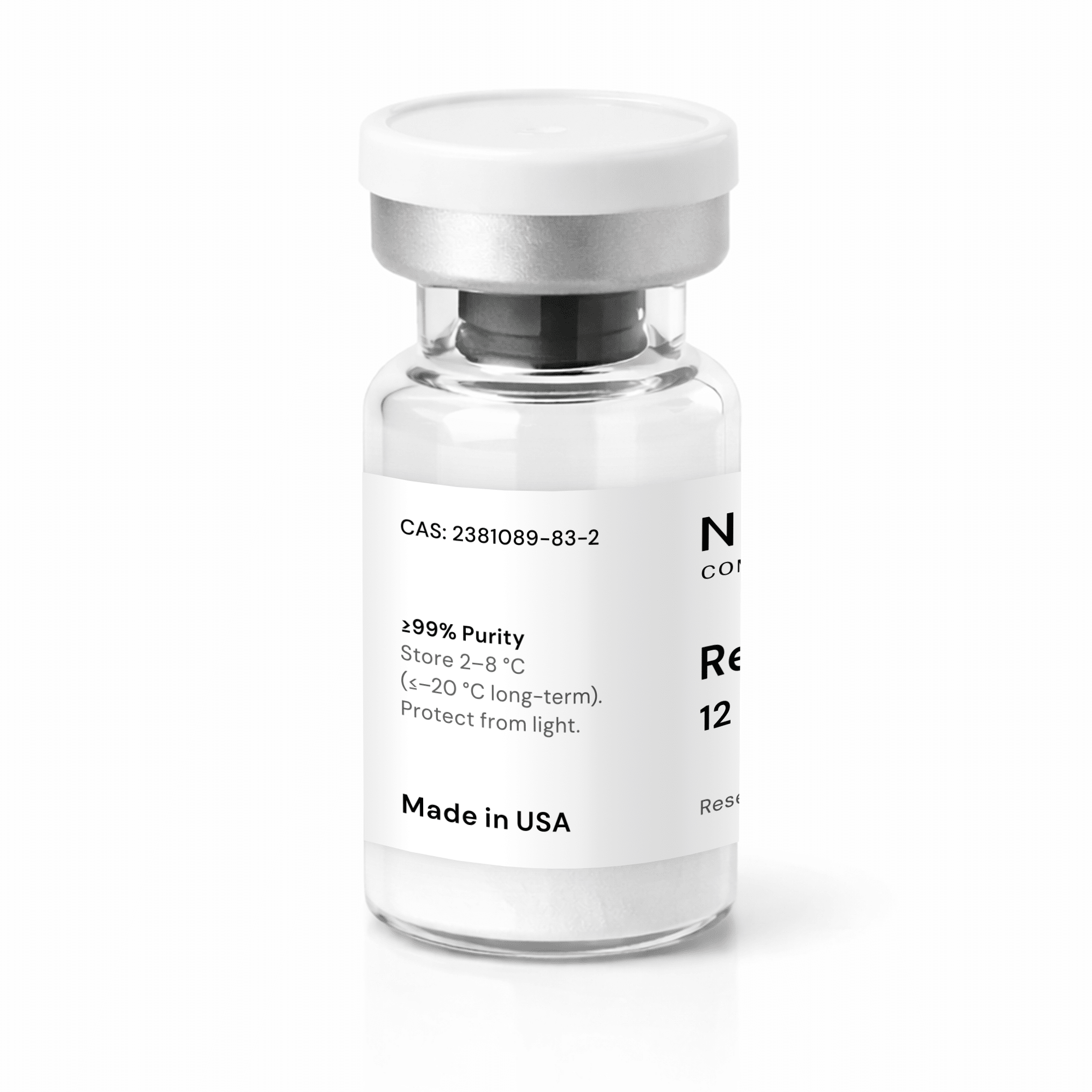
For routine handling, keep vials at 2–8 °C and return them promptly to refrigerated storage after each use to minimize cumulative room-temperature exposure. For long-term retention, store at <=–20 °C and avoid unnecessary temperature cycling (repeated warming/cooling), which can accelerate degradation in some peptide preparations. Protect from light during storage and handling (for example, keep vials in original packaging or a light-blocking container) to reduce light-driven degradation risk.
Are you looking to buy Retatrutide (12 mg) online?
If you’re looking to order Retatrutide (12 mg) online at wholesale prices, contact Medical Spa RX for guidance on how to do so.
This product is supplied strictly for laboratory research use only and is not approved for human or veterinary administration. It is not intended for diagnostic, therapeutic, or clinical applications. Any reference to biological activity or potential effects is based solely on preclinical or in-vitro findings and should not be interpreted as validated clinical outcomes. Researchers are responsible for ensuring proper handling, storage, and disposal in accordance with institutional, federal, and international guidelines. By purchasing or using this material, the buyer confirms that they are a qualified researcher and that the product will be used exclusively in controlled research settings compliant with all applicable regulations.
Sources
https://pmc.ncbi.nlm.nih.gov/articles/PMC12190491
https://pmc.ncbi.nlm.nih.gov/articles/PMC12026077
https://jamanetwork.com/journals/jama/article-abstract/2807151
https://www.adameetingnews.org/phase-2-trial-results-demonstrate-benefits-of-retatrutide-in-obesity-type-2-diabetes-nash/https://pubchem.ncbi.nlm.nih.gov/compound/171390338