
Diabetes occurs when the body struggles to use insulin, the hormone that regulates blood sugar. For years, treatments have focused on improving glucose control and preventing long-term complications. Today, newer therapies are offering patients and clinicians more ways to manage both blood sugar and weight effectively.
One of the most promising options is Mounjaro (tirzepatide), a once-weekly injectable therapy approved for type 2 diabetes. Unlike medications that work quickly, Mounjaro tends to show its benefits gradually. Some patients notice improvements within the first few weeks, while others experience the most noticeable effects after several months.
In this article, we’ll discuss how long Mounjaro typically takes to work, what results you can expect, and the factors that influence how individuals respond to this treatment.
Key Takeaways
- Mounjaro (tirzepatide) shows gradual effects on blood sugar and weight loss, with significant changes often seen within 8–12 weeks.
- The dual GIP/GLP-1 receptor mechanism in Mounjaro promotes insulin secretion, reduces appetite, and helps manage weight while improving glycemic control.
- Factors influencing how quickly Mounjaro works include dosage, titration, patient adherence, and lifestyle habits like diet and exercise.
- Full therapeutic benefits take 9–10 months, with significant HbA1c reductions and continued weight loss.
- Monitoring, especially in the first 4–8 weeks, is essential to ensure safety and optimal outcomes for patients using Mounjaro.
About: Medical Spa RX provides medical practices with premium products at the best prices. If you’re looking to buy Mounjaro online for your practice, the sales representatives at Medical Spa RX can give you guidance.
Onset of Pharmacologic Action of Mounjaro: Early Glucose-Lowering Effects
From the moment you inject Mounjaro (tirzepatide), physiological changes begin. It reaches peak serum levels approximately 8 to 72 hours after injection. Mounjaro works through dual agonism of GIP and GLP-1 receptors, promoting insulin secretion, reducing glucagon, slowing gastric emptying, and suppressing appetite.
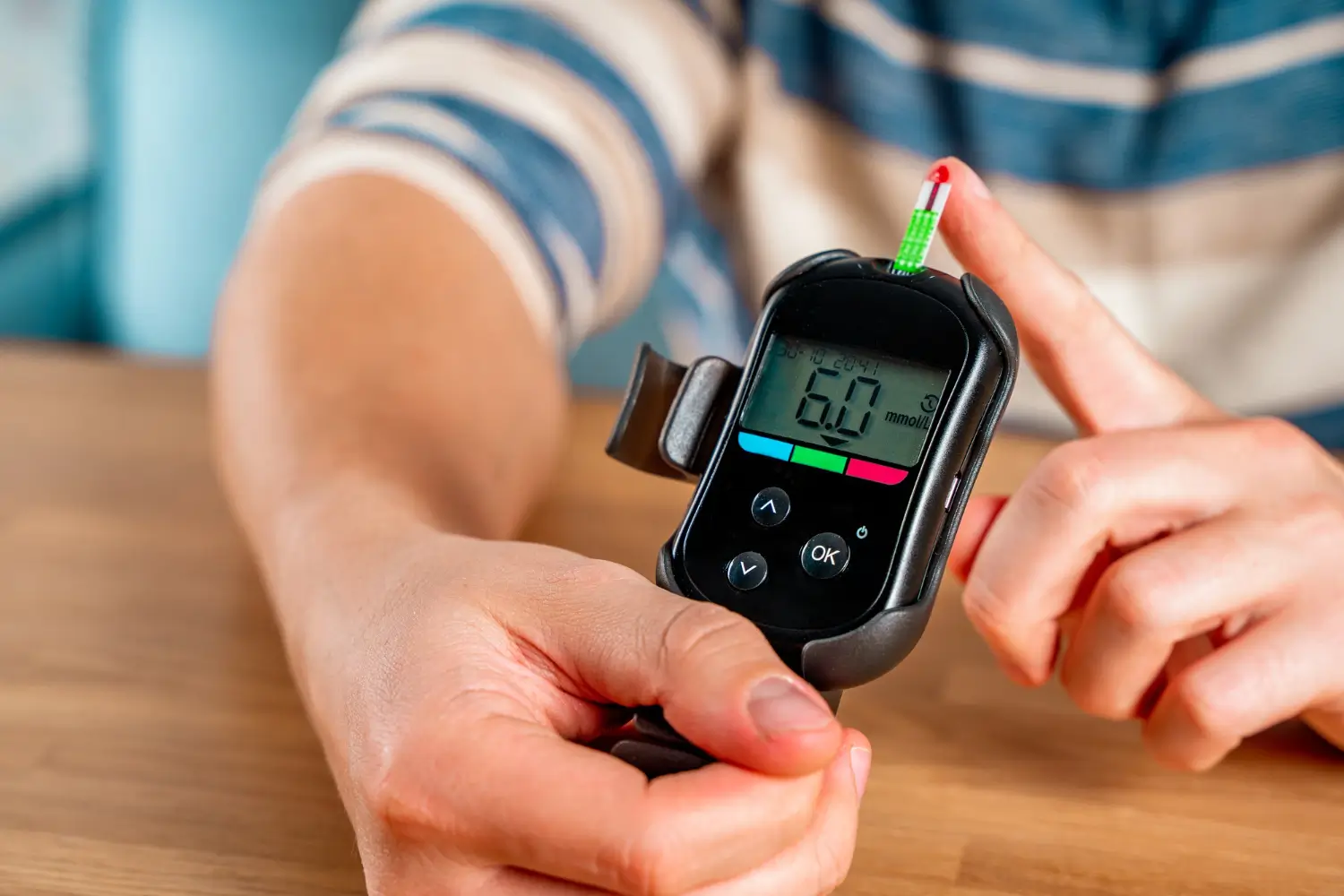
You may not see major changes in your lab results or weight right away, but your body is already responding. Some people report feeling fuller or experiencing less hunger within the first few days, though HbA1c changes typically take 8–12 weeks to become significant. Because the half-life of tirzepatide is about five days, weekly dosing is sufficient to maintain a steady effect. These early mechanisms set the stage for measurable outcomes in the following weeks.
Timeline of Measurable Outcomes: HbA1c, Weight Reduction, and Metabolic Improvements
Mounjaro’s effects unfold gradually, with different outcomes appearing at distinct stages of treatment. Understanding this timeline helps set realistic expectations and highlights the therapy’s cumulative benefits.
Early Action (First Few Days to Weeks)
Appetite suppression and reduced food intake are often the first noticeable effects. Patients may feel fuller sooner and experience fewer cravings, even before measurable lab changes occur.
HbA1c Improvements (8–12 Weeks)
Significant reductions in HbA1c typically appear within two to three months. Clinical trials measured HbA1c primarily at 40 weeks or later as primary endpoints. Significant HbA1c reductions typically appear after 8–12 weeks, with optimal effects observed at 40 weeks (approximately 9–10 months) or longer, depending on baseline levels and dose.
Weight Reduction (4–12 Weeks)
Weight loss is highly variable by individual. Visible weight changes typically begin between weeks 4-8, with mean weight reductions of approximately 5–10% observed by 12 weeks and sustained losses of 15-23% by 72 weeks, depending on dose and baseline weight.
Full Therapeutic Benefits (4–6 Months)
As patients continue therapy, they experience broader metabolic improvements, including enhanced insulin sensitivity, reduced liver glucose output, and improved fat metabolism. These changes support long-term glucose control and body composition goals.
Factors Influencing Response Speed and Magnitude (Dose, Titration, Adherence, Baseline Status)
Mounjaro’s effectiveness depends on factors like dosage, titration, adherence, and baseline health. It’s also essential for patients to understand what medicines you can’t take with Mounjaro, as some drugs, such as insulin, sulfonylureas, or medications that affect digestion, may alter its action or increase the risk of hypoglycemia. Always review all prescriptions and supplements with your healthcare provider to ensure safe, effective treatment.
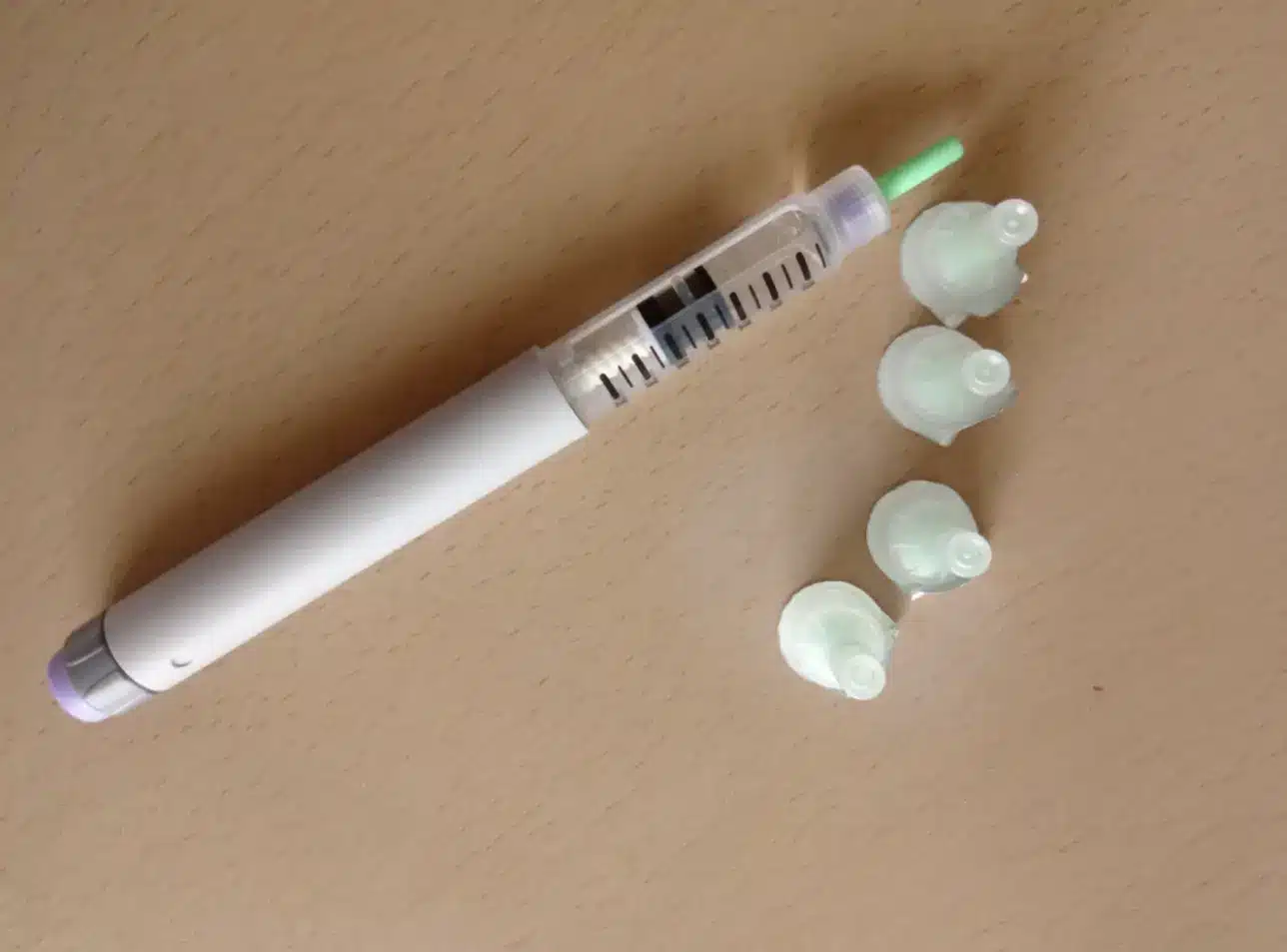
- Dose and Titration: Treatment usually begins at 2.5 mg weekly, with gradual increases every four weeks if tolerated. Higher doses often deliver stronger glucose and weight-loss outcomes, though careful titration is vital for safety.
- Adherence: Consistency matters. Taking injections on schedule and following medical guidance ensures steady progress, while missed or irregular doses can delay measurable improvements.
- Baseline Health Status: Individuals with higher HbA1c, greater insulin resistance, or higher body weight may experience larger overall changes, but often require more time to reach target levels.
- Lifestyle Habits: Balanced nutrition, regular physical activity, and adequate sleep significantly enhance Mounjaro’s therapeutic effects, supporting both metabolic health and weight management.
- Side‑Effect Tolerance: Early side effects, such as nausea, may necessitate temporary dose adjustments, which can slow progress.
Clinical Follow-Up and Monitoring: Expectations and Adjusting Therapy with Mounjaro
Effective use of Mounjaro requires structured follow-up and ongoing monitoring to ensure both safety and optimal outcomes. Regular check-ins allow practitioners to track progress, identify side effects, and make timely adjustments that align with each patient’s goals.
- Initial Follow‑Up (First 4–8 Weeks): Early visits focus on tolerance, side effects like nausea, and adherence to the injection schedule. Baseline labs and weight trends are compared with initial expectations.
- Intermediate Monitoring (8–12 Weeks): At this stage, HbA1c levels and weight reduction become more measurable. Practitioners assess whether the current dose is effective or if titration is needed to enhance results.
- Ongoing Adjustments (3–6 Months): As metabolic benefits accumulate, therapy may be fine-tuned. Dose increases, lifestyle reinforcement, or strategies in managing side effects are considered to maintain progress.
- Long‑Term Management: Continued monitoring of HbA1c, weight, and overall metabolic health ensures sustained benefits. Realistic goal-setting and patient education remain central to long-term success.
Conclusion
The onset of Mounjaro’s action begins within hours, though the visible results take time. Early appetite control and improved insulin response mark the first signs of effectiveness, followed by measurable HbA1c reductions and weight loss in the following weeks. Full metabolic improvements generally occur after several months of consistent therapy.
How quickly you respond depends on your dosage, titration schedule, baseline health, and lifestyle. Regular monitoring and communication with your healthcare provider ensure treatment remains safe and effective. By understanding Mounjaro’s time to effect, you can approach your progress with patience, persistence, and realistic expectations.
FAQs
1. How soon after starting Mounjaro will I see lower blood sugar?
You may notice changes in fasting or post-meal glucose within a few days, but significant HbA1c improvements typically appear after 8–12 weeks.
2. When will I start losing weight on Mounjaro?
Weight reduction often begins between weeks 4–8, though visible results can take several months of continued therapy.
3. Can lifestyle habits speed up the effects of Mounjaro?
Yes. Following a balanced diet, exercising regularly, sleeping well, and taking injections on schedule can improve results.
4. What happens if I don’t feel results after a few weeks on Mounjaro?
Lack of early visible change doesn’t mean the medication isn’t working. Dosage or adherence factors may be involved. Speak with your healthcare provider about adjustments.
5. Will I need to stay on Mounjaro long-term?
For most patients, yes. Mounjaro is designed for ongoing management of type 2 diabetes and long-term metabolic improvement.

References
Le TKC, Dao XD, Nguyen DV, et al. Insulin signaling and its application. Front Endocrinol (Lausanne). 2023;14:1226655. Published 2023 Aug 17. doi:10.3389/fendo.2023.1226655
American Diabetes Association. Diabetes Care. https://diabetesjournals.org/care
Mounjaro: Uses, Dosage, Side Effects & Warnings. Drugs.com. https://www.drugs.com/mounjaro.html
All clinical and product claims on this page have been checked against peer-reviewed research, manufacturer data, and regulatory sources in accordance with our Editorial Policy .